





| Lugar de origen: | China. |
|---|---|
| Nombre de la marca: | Tonking |
| Certificación: | ISO, HACCP, KOSHER, HALAL |
| Número de modelo: | Extracto de tk-Evodia rutaecarpa |
| Cantidad de orden mínima: | 1 kg |
| Detalles de empaquetado: | 1 kg por bolsa, 25 kg por tambor o personalizado |
| Tiempo de entrega: | 3-5 días hábiles |
| Condiciones de pago: | T/T, Western Union, |
| Capacidad de la fuente: | 3000 kg por mes |
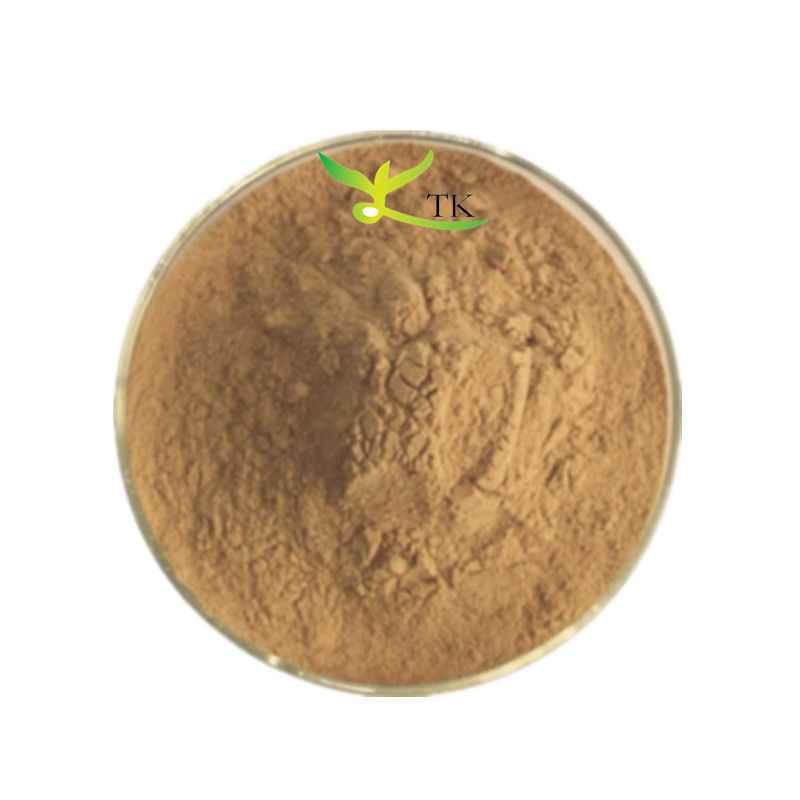
| Apariencia: | Polvo amarillo marrón | Parte usado: | Fruta |
|---|---|---|---|
| Especulación: | 10: 1, 98% | Calificación: | Grado de alimentos |
| Aplicación: | Suplementos de atención médica | Duración: | 2 años |
| Muestra: | 10-20g | Paquete: | 1 kg/bolsa, 25 kg/tambor, o como su solicitud |
| Resaltar: | Evodia Rutaecarpa extract powder,Evodiamine 10:1 extract,20:1 Evodia Rutaecarpa powder |
||
High Quality 98% Evodia Rutaecarpa Extract Powder Evodiamine 10:1 20:1 Extract
What is Evodia Rutaecarpa?
Evodia rutaecarpa (also spelled Evodia rutaecarpa) is a deciduous tree native to China and Korea. Its fruit is the primary part used for medicinal purposes.
It holds a important position in traditional medicine:
Traditional Chinese Medicine (TCM): Known as Wú Zhū Yú It is classified as an herb that is acrid, bitter, and hot, with a strong aromatic odor. Its primary functions are to warm the middle burner (spleen and stomach), disperse cold, alleviate pain, and direct rebellious Qi downward (to stop vomiting).
Other Traditions: Also used in Japanese (Goshuyu) and Korean traditional medicine.
The extract is a concentrated form of the bioactive compounds derived from the nearly ripe fruits of the plant.
|
Product Name:
|
Evodia Rutaecarpa Extract |
| Part Used |
Fruit
|
|
Spec./Purity:
|
10:1 20:1, Evodiamine 98% |
|
Appearance:
|
Brown yellow powder
|
| Grade | Food grade |
|
Shelf Life:
|
24 months
|
|
Package:
|
1kg/ Bag, 25kg/Fiber Drum
|
|
Application
|
1. Functional foods
2. Healthcare supplement 3. Medicine field
4. Beverage
|
Evodiamine: The most prominent and researched alkaloid. It is responsible for many of the extract's key effects, including its thermogenic and analgesic properties.